Anti-Inflammatory Foods You Should Know About
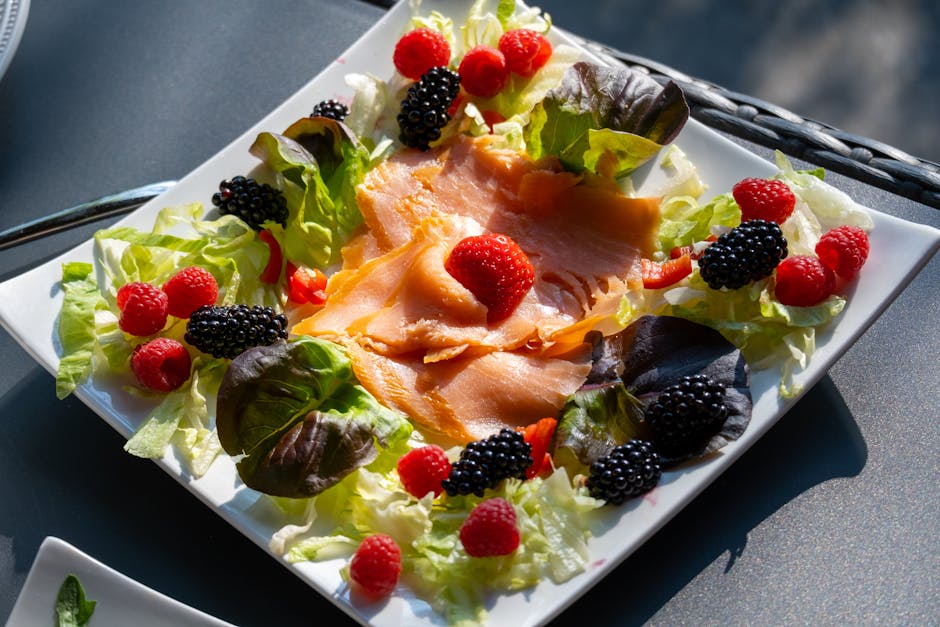
Photo by Joost van Os on Pexels
Inflammation is a natural part of the body's healing process, but when it becomes chronic — persisting at low levels over long periods — it has been associated with a range of health concerns. Diet is one of several factors that can influence the body's inflammatory response.
Understanding Acute vs. Chronic Inflammation
Acute inflammation is the body's short-term response to injury or infection — think of the redness and swelling around a cut as it heals. This type of inflammation is helpful and necessary. Chronic inflammation, on the other hand, is a longer-lasting, lower-grade process that can occur without obvious symptoms and has been linked to various long-term health concerns when it persists over years.
How Diet Influences Inflammation
Certain dietary patterns, particularly those high in processed foods, refined sugar, and unhealthy fats, have been associated with higher markers of chronic inflammation. On the other hand, diets rich in whole foods, particularly those following a Mediterranean-style pattern, have been associated with lower inflammatory markers in various studies.
Foods Associated With Reduced Inflammation
Fatty fish like salmon, mackerel, and sardines are rich in omega-3 fatty acids, which have been studied for their potential anti-inflammatory properties.
Berries such as blueberries and strawberries are high in antioxidants called anthocyanins, which may help reduce oxidative stress in the body.
Leafy greens like spinach and kale contain antioxidants and vitamins that support overall cellular health.
Nuts, particularly walnuts and almonds, provide healthy fats and antioxidants.
Olive oil, a cornerstone of the Mediterranean diet, contains compounds that have been studied for anti-inflammatory effects.
Turmeric, which contains curcumin, has been widely studied for its potential role in reducing inflammation, although absorption is improved when combined with black pepper.
Green tea contains polyphenols that have been associated with reduced inflammatory markers in some research.
Foods That May Promote Inflammation
Refined carbohydrates, sugary drinks, processed meats, and foods high in trans fats have been associated with higher inflammatory markers when consumed frequently over time. This doesn't mean occasional indulgence is harmful — it's the consistent, long-term dietary pattern that matters most.
Building an Anti-Inflammatory Eating Pattern
Rather than focusing on individual "superfoods," most nutrition experts recommend building an overall eating pattern that emphasizes whole foods, healthy fats, and a wide variety of fruits and vegetables — similar to the traditional Mediterranean diet — while limiting ultra-processed foods.
Practical Tips
- Replace refined oils with olive oil where possible.
- Add fatty fish to your diet at least once or twice a week.
- Snack on berries or nuts instead of processed snacks.
- Include leafy greens in at least one meal a day.
- Limit sugary drinks and highly processed snacks over time.
Final Thoughts
While no single food eliminates inflammation, consistent dietary patterns rich in whole, minimally processed foods have been associated with healthier inflammatory markers over time. Small, sustainable changes to your daily eating habits can support this process far more effectively than short-term fixes.
*This article is for general informational and educational purposes only and does not constitute medical advice. If you have concerns about chronic inflammation, please consult a healthcare provider.*


