How to Properly Read a Nutrition Label
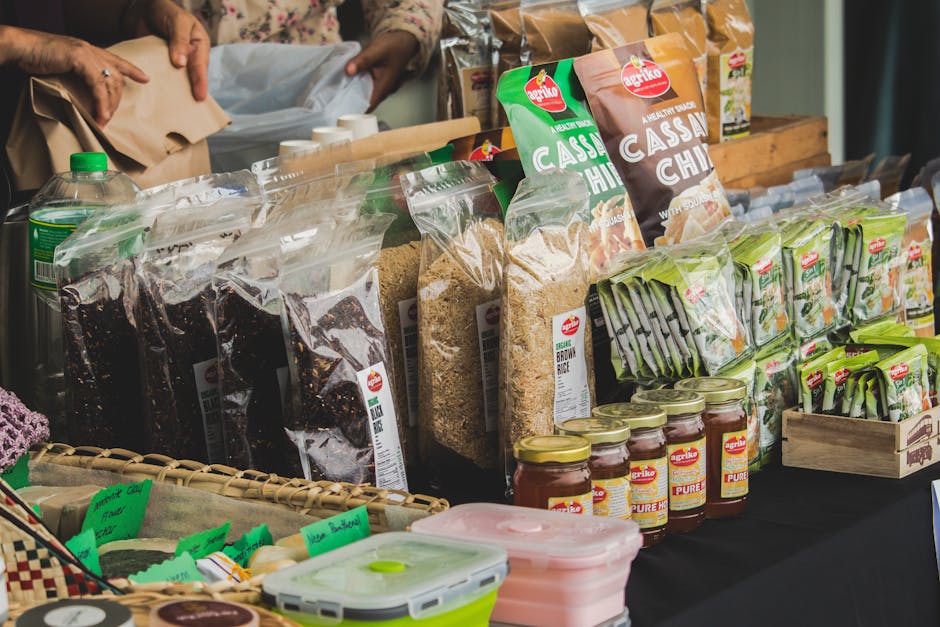
Photo by Muffin Creatives on Pexels
Nutrition labels are one of the most useful tools for making informed food choices, yet many people find them confusing or skip reading them altogether. Learning to read a label properly takes just a few minutes and can make a real difference in daily eating habits.
Start With the Serving Size
The first thing to check isn't the calorie count — it's the serving size. All the numbers on the label are based on that specific serving, and many packages contain more than one serving. A bag of chips that looks like a single snack might actually list nutrition information for a portion half its size, meaning the "real" numbers double if you eat the whole bag.
Understanding Calories
Calories indicate how much energy a food provides. This number is useful for context, but it shouldn't be looked at in isolation — a food can be low in calories but high in sugar, or higher in calories but nutrient-dense and filling, like nuts or avocado.
Checking the Macronutrients
Labels typically break down three main macronutrients:
- Total Fat — including saturated and trans fat, which are worth watching more closely
- Total Carbohydrates — including fiber and sugars
- Protein — important for muscle maintenance and satiety
Pay particular attention to added sugars, which are now listed separately from naturally occurring sugars on many labels. A food with high added sugar content offers calories with little nutritional benefit.
The % Daily Value (%DV) Column
This column shows how much a nutrient in one serving contributes to a typical 2,000-calorie daily diet. As a general rule of thumb:
- 5% DV or less is considered low for that nutrient
- 20% DV or more is considered high
This is especially useful for nutrients you want to limit, like sodium and saturated fat, versus nutrients you want more of, like fiber and vitamins.
Reading the Ingredient List
Ingredients are listed in descending order by weight, meaning the first ingredient makes up the largest portion of the product. If sugar, corn syrup, or refined oils appear near the top of the list, it's a sign the product is more processed than its packaging might suggest.
Watch out for sugar listed under different names — such as high-fructose corn syrup, dextrose, or cane juice — which can make a product appear lower in sugar than it actually is at first glance.
Common Label Claims and What They Really Mean
- "Low fat" doesn't always mean low calorie or low sugar — sugar is often added to compensate for flavor.
- "Natural" is a loosely regulated term and doesn't necessarily mean healthier.
- "Multigrain" doesn't mean whole grain — check the ingredient list for "whole wheat" or "whole grain" specifically.
Practical Tips for Grocery Shopping
- Compare similar products side by side using the %DV column.
- Check serving sizes before assuming a package is a single portion.
- Look for fiber and protein content when choosing packaged snacks.
- Watch for added sugars, especially in items marketed as "healthy."
- Don't judge a product by its front packaging — flip it over.
Final Thoughts
Nutrition labels aren't complicated once you know what to look for. A quick check of serving size, added sugars, and the ingredient list can help you make more informed choices at the grocery store, without needing to memorize complex nutrition science.
*This article is for general informational and educational purposes only and is not a substitute for professional nutritional or medical advice.*


