The Role of Dietary Fiber in Digestive Health
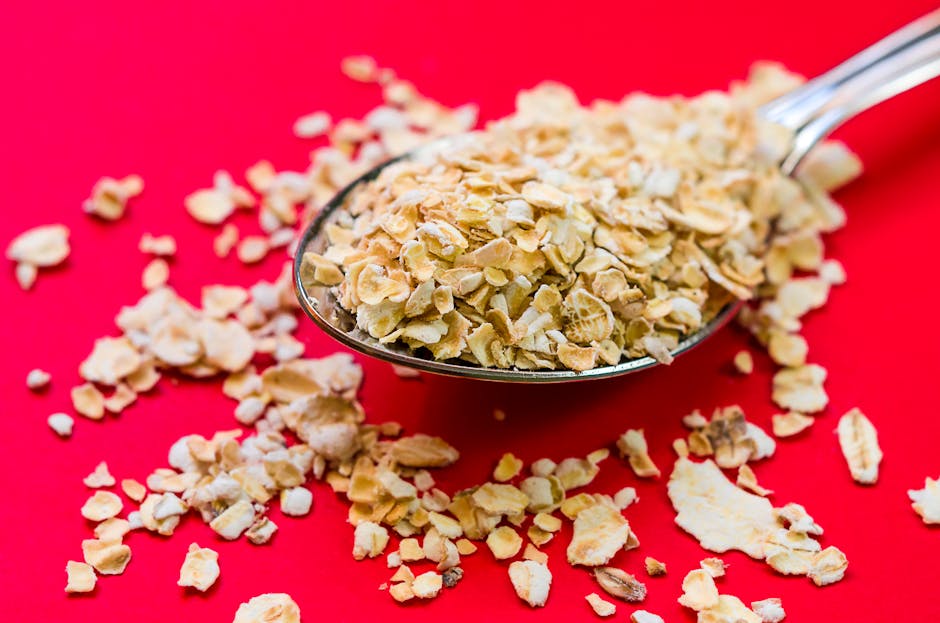
Photo by Bruno Scramgnon on Pexels
Fiber is one of the most overlooked nutrients in the modern diet, yet it plays a central role in digestion, blood sugar regulation, and even heart health. Despite its importance, many people don't get the recommended daily amount.
What Is Dietary Fiber?
Fiber is a type of carbohydrate found in plant foods that the body can't fully digest. Instead of being broken down for energy like other carbs, it passes through the digestive system relatively intact, offering a range of health benefits along the way.
Two Types of Fiber
Soluble fiber dissolves in water and forms a gel-like substance in the digestive tract. It's found in oats, beans, apples, and citrus fruits, and has been associated with helping manage blood sugar and cholesterol levels.
Insoluble fiber does not dissolve in water and adds bulk to stool, helping food move through the digestive system more efficiently. It's found in whole grains, nuts, and the skins of fruits and vegetables.
Why Fiber Matters for Digestion
Fiber helps regulate bowel movements by adding bulk and softness to stool, which can reduce constipation and support regularity. It also feeds beneficial gut bacteria, which play a role in everything from digestion to immune function. A diet low in fiber, on the other hand, has been linked to digestive discomfort and irregularity over time.
Other Health Benefits of Fiber
Beyond digestion, fiber has been associated with:
- Supporting healthy cholesterol levels
- Helping regulate blood sugar spikes after meals
- Promoting a feeling of fullness, which can support healthy weight management
- Supporting a diverse and balanced gut microbiome
How Much Fiber Do You Need?
General guidelines suggest around 25–30 grams of fiber per day for most adults, though actual needs can vary. Many people fall short of this, often due to diets low in fruits, vegetables, and whole grains.
Simple Ways to Add More Fiber to Your Diet
- Choose whole grain bread and pasta instead of refined versions.
- Add beans or lentils to soups, salads, or main dishes.
- Keep the skin on fruits and vegetables when possible (after washing thoroughly).
- Snack on fruit, nuts, or seeds instead of processed snacks.
- Increase fiber intake gradually and drink plenty of water to avoid digestive discomfort.
Final Thoughts
Fiber is a simple, accessible nutrient that supports far more than just digestion. Building meals around whole grains, fruits, vegetables, and legumes is one of the easiest ways to close the fiber gap and support long-term digestive and metabolic health.
*This article is for general informational and educational purposes only and is not a substitute for professional medical advice. If you experience persistent digestive symptoms, please consult a healthcare provider.*


