A Complete Guide to Essential Vitamins and Their Sources
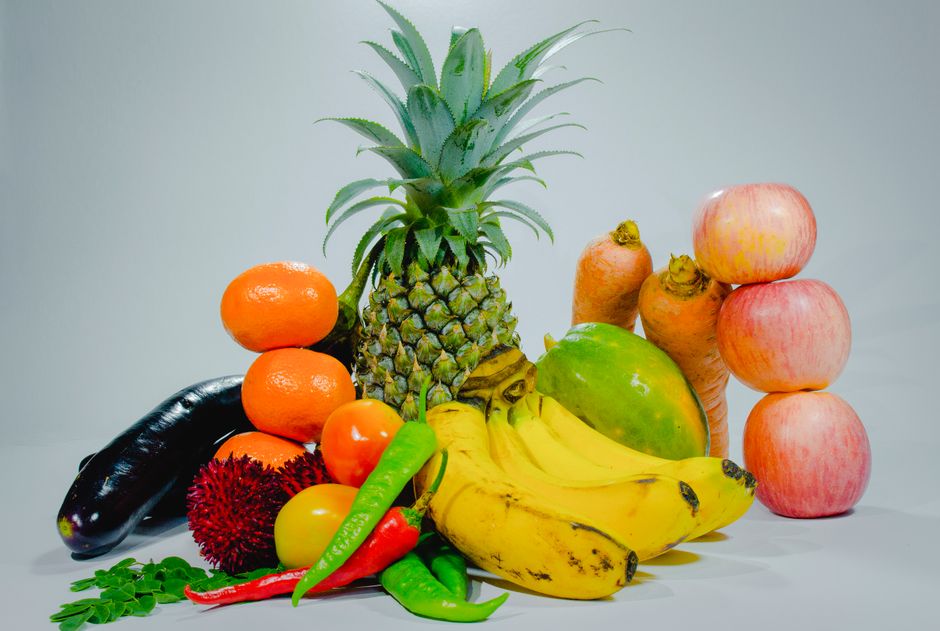
Photo by Abet Llacer on Pexels
Vitamins are organic compounds the body needs in small amounts to function properly. Since most vitamins can't be produced by the body on its own (with a few exceptions, like vitamin D from sunlight), getting them through a balanced diet is essential for long-term health.
Fat-Soluble Vitamins
These vitamins are stored in the body's fatty tissue and liver, meaning they don't need to be consumed every single day.
Vitamin A supports vision, skin health, and immune function. Found in carrots, sweet potatoes, and leafy greens.
Vitamin D supports bone health and immune regulation. Found in fatty fish, fortified milk, and produced by the skin through sunlight exposure.
Vitamin E acts as an antioxidant, protecting cells from damage. Found in nuts, seeds, and vegetable oils.
Vitamin K plays a key role in blood clotting and bone health. Found in leafy greens like spinach and kale.
Water-Soluble Vitamins
Unlike fat-soluble vitamins, these need to be replenished more regularly since the body doesn't store them as effectively.
Vitamin C supports immune function and collagen production. Found in citrus fruits, strawberries, and bell peppers.
B Vitamins (B1, B2, B3, B6, B12, and folate) are involved in energy production, brain function, and red blood cell formation. Found in whole grains, eggs, meat, legumes, and leafy greens.
Common Signs of Vitamin Deficiency
While mild deficiencies can be subtle, some general signs include fatigue, brittle nails, hair thinning, slow wound healing, and frequent illness. These symptoms can have many causes, so they shouldn't be self-diagnosed — a healthcare provider can order bloodwork to check specific vitamin levels if a deficiency is suspected.
Should You Take a Multivitamin?
For most people eating a varied, balanced diet, a multivitamin isn't strictly necessary. However, certain groups may benefit from supplementation, including pregnant women (folic acid), older adults (vitamin B12 and D), and people with specific dietary restrictions, such as vegans (vitamin B12). Supplementation should ideally be guided by a healthcare provider rather than guesswork.
Getting Vitamins Through Food vs. Supplements
Whole foods offer more than just isolated vitamins — they provide fiber, other nutrients, and compounds that work together in ways a supplement pill can't fully replicate. Whenever possible, aim to get vitamins primarily through a varied diet, using supplements only to fill specific gaps identified by a healthcare provider.
Final Thoughts
Understanding which vitamins your body needs — and where to find them naturally — is a foundational part of long-term health. A colorful, varied diet that includes fruits, vegetables, whole grains, and quality protein sources is usually the most effective way to meet your vitamin needs.
*This article is for general informational and educational purposes only and should not replace guidance from a licensed healthcare provider, especially if you suspect a nutrient deficiency.*


